Build an apartment outage kit without a generator
Start with a light you can find in the dark, a charged phone, drinking water, and something familiar to eat. You can cover those needs without filling the hallway with equipment or buying a large battery first.
Where to start
Put together the small essentials first. Add an AC power station only when you can name the appliance it needs to run. Keep a separate plan for leaving if your apartment becomes unsafe.
Check the cupboard before you shop
Bring your working flashlights, phone cables, canned food, first-aid supplies, and spare batteries to one place. Try them. A drawer full of cables is less useful than one cable that fits your phone and works with your backup battery.
Keep supplies low enough to reach comfortably, away from exits and stairs. Separate what stays at home from a small bag you could take with you. A large water container or heavy power station may help at home while being awkward to carry down several flights of stairs.
A starter list for two adults and three days
This example is a starting shopping list, not a complete kit for every household. Adjust it for children, pets, medicines, accessibility needs, weather, and local instructions. Use the full household checklist to catch needs that do not appear here.
Scroll sideways to see the full table.
| Supply | Starting quantity | Check before buying |
|---|---|---|
| Drinking water | At least 6 gallons total | More for heat, pets, and additional needs |
| Food | Three days of familiar meals for each person | Portions, allergens, and preparation |
| Portable lights | One per person, plus one shared lantern if useful | Controls and power source |
| Phone backup | One tested power bank and cable per person | Your actual charging needs |
| Weather radio | One, with its required batteries | Reception in the apartment |
| Everyday supplies | One shared first-aid kit, manual opener, and wash kit | Contents and comfortable grips |
| Personal essentials | A small bag for each person | Documents, contacts, clothing, and individual care needs |
Make the lights easy to find and use
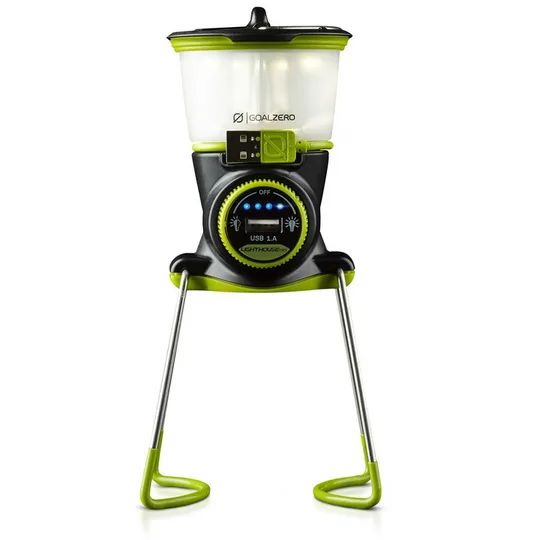
Keep a flashlight beside each bed. For the room where you will spend the evening, a dimmable lantern is more convenient than holding a flashlight. The Goal Zero Lighthouse Mini is one rechargeable option with adjustable brightness and several ways to stand or hang it. Lower brightness may be more comfortable for eating and talking than the brightest setting.
Try the switch and charging connection yourself. Small buttons, tightly fitted covers, and tiny battery markings can be frustrating with stiff hands or poor vision. An ordinary flashlight you can operate easily is a good choice. Keep the correct spare batteries beside replaceable-battery lights. Choose battery lighting rather than candles.
Keep phone charging separate from household plugs
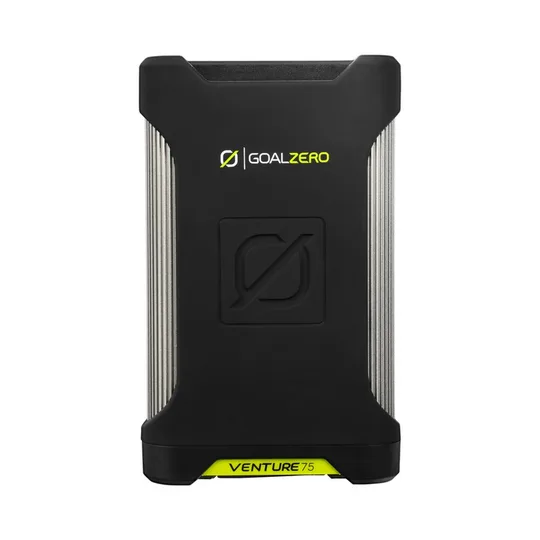
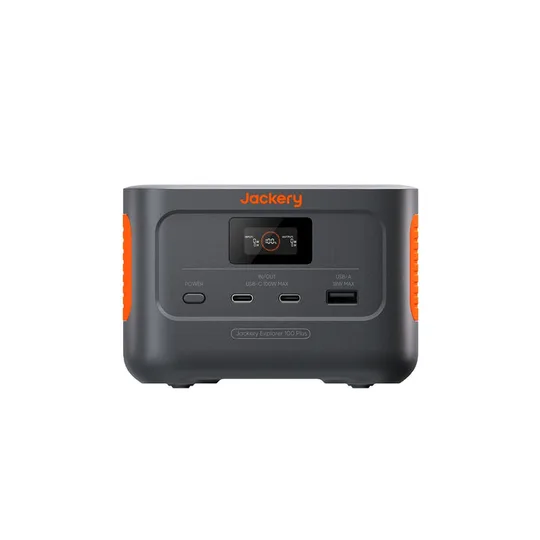
If phones are your main concern, begin with USB power banks. The Goal Zero Venture 75 and Jackery Explorer 100 Plus are two catalog options to compare. Match the ports and charging profile to your phone and cable. A higher maximum charging wattage does not, by itself, mean more complete phone charges.
Do a normal-day trial: charge the phone from the bank, note how much remains, and decide whether that covers your intended use. Keep printed contacts, the building manager’s number, and a meeting place with your kit. A charged phone cannot guarantee mobile service during a wider outage.
Store water in sizes you can handle
Allow at least one gallon per person per day for three days, and try to store two weeks if you can. That makes six gallons the minimum starting amount for the two-adult example above. Allow more for hot weather, pregnancy, illness, pets, and other needs. Unopened commercially bottled water is a straightforward option.
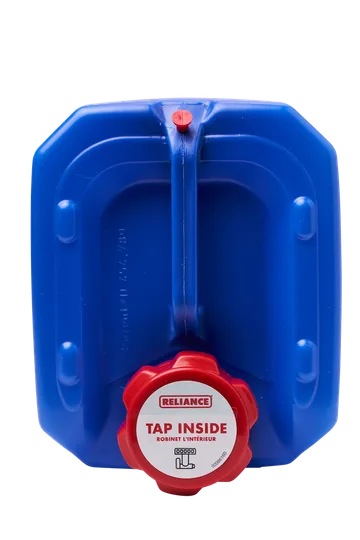
Several small bottles may be easier to pour and move than one large container. The 5-gallon Reliance Aqua-Pak is an empty refillable alternative, but check its filled weight and whether you can lift and pour it comfortably before choosing it. Follow cleaning, filling, and storage instructions. An empty collapsible container is useful extra capacity; it is not stored drinking water. Compare water-storage formats.
Choose food that works with the kitchen you will have
Set aside meals you can eat without electricity: familiar shelf-stable foods, manageable portions, and a manual opener you can use comfortably. Keep utensils and a little safe cleaning water with them. A tiny folding opener saves space, but an ordinary kitchen opener may be much easier on your hands. Try it on the cans you actually buy.
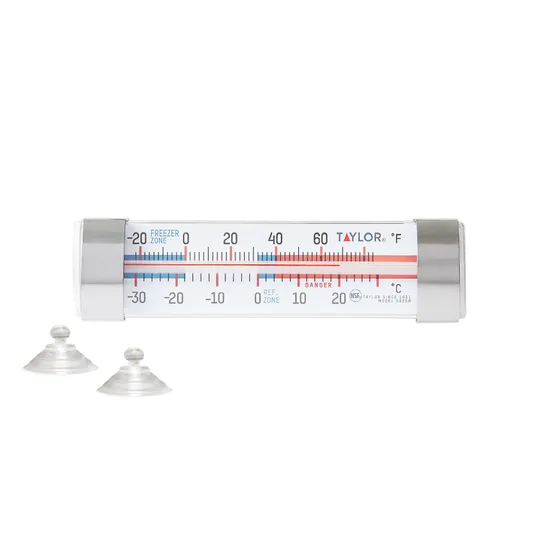
Do not make your first meals depend on boiling water. Some freeze-dried food needs hot water and a waiting period; other packages are snacks rather than full meals. Check the directions and nutrition panel. Keep refrigerator and freezer doors closed, and use an appliance thermometer to help monitor temperature. Read the cold-food guide before deciding what to keep.
Add AC backup only for a clear job
A power station becomes worth considering when you need household-plug equipment, such as a router and modem, for a defined time. For example, a combined 20-watt connection running for eight hours uses 160 watt-hours. With assumed 85% conversion efficiency, 8 watts of inverter idle draw, and a 20% planning margin, the capacity estimate is about 303 watt-hours: (160 ÷ 0.85 + 8 × 8) × 1.20.
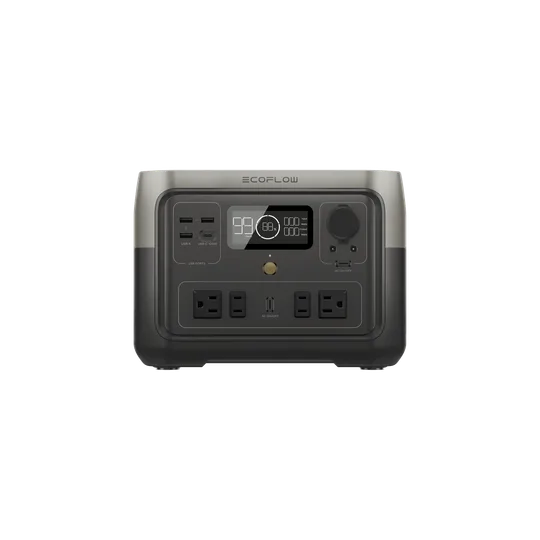
The 512 Wh EcoFlow RIVER 2 Max has enough nominal storage for that example. Actual runtime still depends on the equipment and conditions. Check its output, transfer behavior, and your actual equipment. The provider’s network may lose power too. Work through the router example or use the eight-hour Wi-Fi planner. A refrigerator needs its own energy and startup checks.
Keep the apartment safe, and know when to leave
Follow the power station’s instructions for placement, clearance, charging, and temperature. Keep it dry and keep its vents clear. It must not obstruct your way out. Do not connect its output to a wall outlet or attempt to power building wiring through a plug.
A fuel-burning generator is not an apartment-room solution. Never run one indoors or in a garage; a balcony is not a workaround for exhaust and separation requirements. Keep outdoor grills and portable camping stoves outside the home. Never use an oven to heat the apartment. Review fuel-burning equipment safety.
A battery fan is not a substitute for a safe indoor temperature. Fans should only be used when it is below 90°F indoors. Arrange an air-conditioned place to go during dangerous heat, or a warm place during unsafe cold, and plan transport before you need it. Follow evacuation instructions. For powered medical equipment or temperature-sensitive medicine, arrange a separate backup plan with the supplier or care team.
Pack the things that make the kit usable
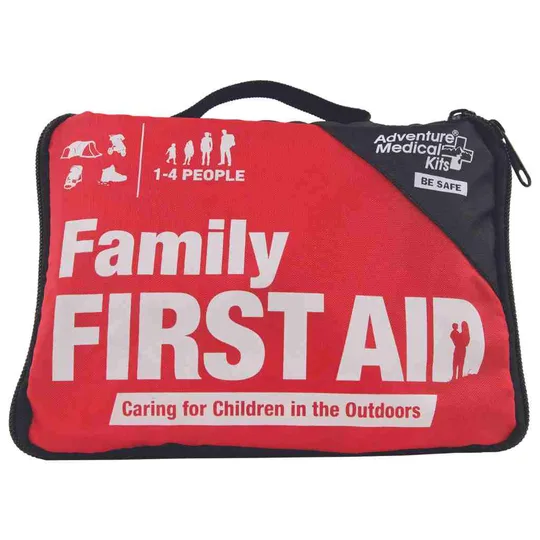
A family first-aid kit can organize basic supplies, but check what you already own before buying a second set. Add soap, personal hygiene items, paper towels, suitable waste bags, and the supplies your household uses every day. Keep essential personal instructions with them.
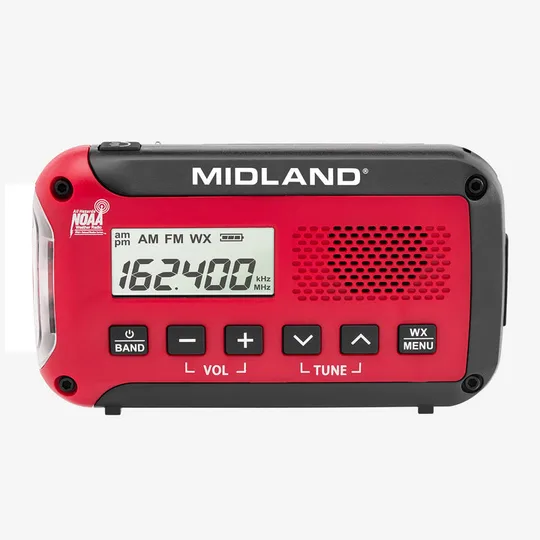
Label the containers clearly. Put the radio where you can hear it and test reception there; the Midland ER10VP is a replaceable-battery option. Keep complete replacement battery sets, glasses, comfortable shoes, and important papers accessible. Finally, walk through the plan with everyone at home: find a light, connect a phone, open a meal, and pick up the bag you would take. Fix whatever is awkward while the lights still work.
Common questions
Do I need a large power station for an apartment outage kit?
Start with what you need to power. Lights with their own batteries and USB phone backup may cover your first priorities. Add a power station when you have a specific plug-in load and a runtime target.
Can I use a generator on an apartment balcony?
Do not treat a balcony as a safe generator location. Exhaust can enter your home or neighboring apartments, and required separation may be impossible. Use a battery-based plan and follow building and emergency instructions.
Will a hand-crank radio replace stored batteries?
Keep the radio charged or stocked with the correct batteries before an outage. Where a hand crank is fitted, treat it as a fallback. Test reception and controls in advance.
Check what your household still needs.
Use the full supply list to fill the gaps around the equipment you already own.
Open the household checklist