Keep cold food cold when the power goes out
Keep the cold in, watch the temperature, and note when the power stopped. A cooler slows warming, but it needs ice or another cold source to keep food cold.
Get ready before the power goes out
Put an appliance thermometer in both the refrigerator and freezer. Keep the refrigerator at 40°F or below and the freezer at 0°F or below. Freeze suitable water containers or gel packs, and have a cooler ready. Leave room for ice when deciding how much food the cooler will hold.
Keep the doors closed
With the doors closed, a refrigerator keeps food cold for about four hours. A full freezer holds its temperature for about 48 hours; a half-full freezer, about 24 hours. These are planning windows. The temperature and storage history of the food still matter.
Move food while it is still cold
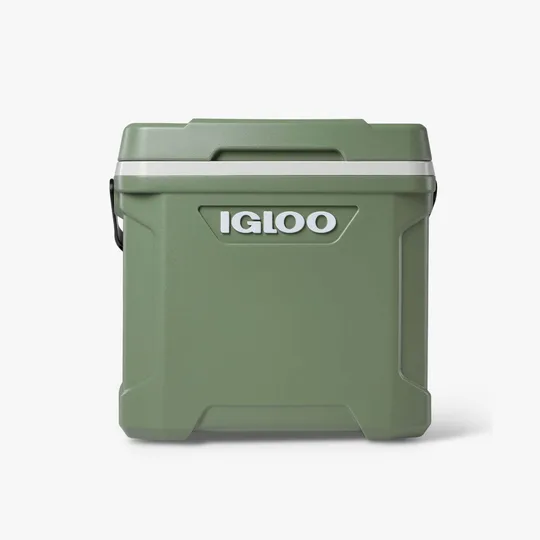
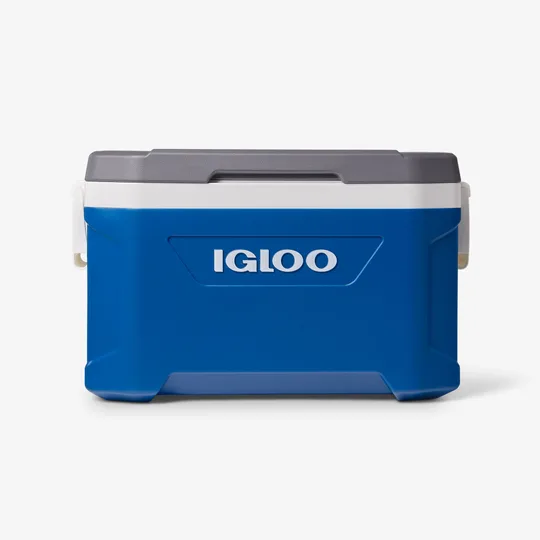
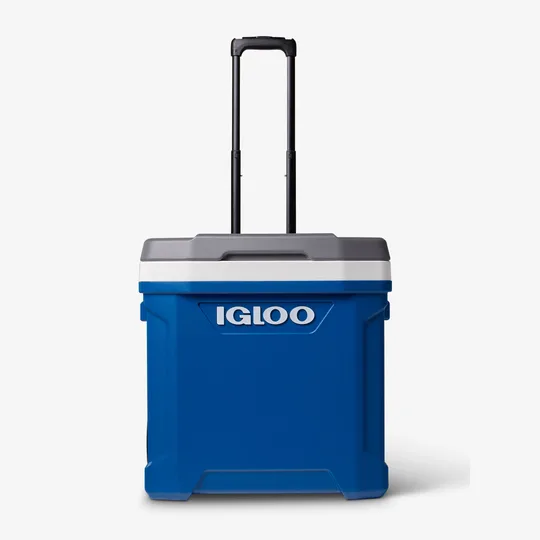
If power is still off after four hours, move refrigerated perishables to a cooler if you have ice or another cold source. Keep the cooler at 40°F or below and check it with a thermometer. If food starts warming sooner, act sooner. An advertised ice-retention time does not tell you how long your food will stay safe.
Know when to throw food away
Discard refrigerated perishables after four hours without power or an adequate cold source. Food left at room temperature has a shorter limit: discard perishables after two hours, or one hour if the temperature is above 90°F. Never taste food to decide whether it is safe.
Check frozen food before discarding it
Frozen food that still contains ice crystals or is 40°F or below may be refrozen or cooked. If you do not know how long a perishable food has been warm, do not rely on its smell or appearance. When in doubt, throw it out.
Use a battery and thermometer together
Backup power may keep a refrigerator running longer. A runtime estimate cannot confirm the food temperature, so keep checking the thermometer and avoid opening the door unnecessarily. Choose a cooler you can safely carry when it is filled.
Choose supplies for this task.
Compare the format, specifications, and limitations before you buy.
Browse related supplies