Emergency food you can eat without cooking
When the kitchen goes dark, dinner should still be easy to put together. A few familiar foods, chosen in portions you can finish, are a good place to start.
Where to start
Plan actual meals before buying a food bucket. Choose ready-to-eat foods, keep the opener and utensils with them, and avoid leftovers that need refrigeration you cannot provide.
Start with meals your household already eats
Write down breakfast, lunch, dinner, and snacks for the people you are feeding. Then cross out anything that depends on your stove, microwave, or refrigerator. What is left may already cover several meals: cereal, crackers, suitable spreads, fruit cups, and commercially packaged ready-to-eat foods.
Check the cupboard before ordering a special kit. Buying extra groceries you regularly use makes rotation easier, and trying them costs less effort than committing to a large assortment nobody has tasted. Look for individual packs when several people need different foods or eat at different times.
Food labeled “keep refrigerated” does not belong in an unrefrigerated supply, even if it comes in a can or sealed pouch. Choose the exact shelf-stable version.
Choose the format that solves your problem
Scroll sideways to see the full table.
| Food format | Useful when | Check before buying |
|---|---|---|
| Ordinary ready-to-eat pantry food | You want familiar meals without heat. | Opening method, portion size, and storage after opening. |
| Dry cereal, granola, or freeze-dried fruit | You want breakfast or snacks without heating water. | Whether this exact product can be eaten dry; some mixes need preparation. |
| Food mixed with cold water | You have safe water and clean bowls. | The package must specifically allow cold-water preparation. |
| Emergency ration bars | You need compact backup food for a bag. | Calories per pack, ingredients, texture, and how they fit alongside meals. |
| Hot-water meals and cooking mixes | You have a separate, safe way to prepare them. | Water, heat, cookware, and the full directions. |
A food bucket is packaging, not a promise that dinner needs no cooking. Do not substitute cold water when the directions require boiling water or cooking. Our broader emergency-food guide explains how to compare meal pouches and assortments.
Sketch three days for two adults
Here is a way to organize a three-day shop for two adults who eat these foods. Each line below describes one person’s meal; repeat it for both people across three days, changing flavors or suitable foods for variety.
- Breakfast: a bowl of ready-to-eat cereal or granola, a small shelf-stable milk or suitable alternative, and a fruit cup.
- Lunch: crackers with a suitable spread, plus a ready-to-eat vegetable portion.
- Dinner: a ready-to-eat protein pouch or small can, ready-to-eat beans, and crackers.
- Snacks: nuts or another suitable snack, a bar, and extra fruit if wanted.
That means six breakfasts, six lunches, six dinners, and snacks. Set aside six cereal portions, six single-serving milk cartons, six fruit cups, six spread portions, six vegetable portions, six protein portions, and six bean portions. Allow crackers for twelve meals, then add at least six snack portions and six bars. Choose pack sizes that match what you will eat at once.
This is a menu-planning example, not a complete nutrition plan or a calorie target. Use the actual labels and your normal meal sizes to decide quantities; one tuna pouch or a small serving of beans may be much less than a dinner. Increase portions, add foods, or change the menu before calling the shopping finished.
A few products that can fill specific gaps
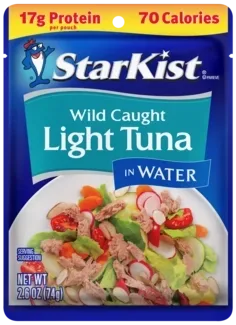
StarKist Light Tuna in Water, 2.6 oz opens without a can opener and needs no draining. It is a convenient protein option to eat with other food, rather than a whole meal by itself. Choose a mix of protein foods that suit the people you are feeding, rather than relying on tuna for every dinner.
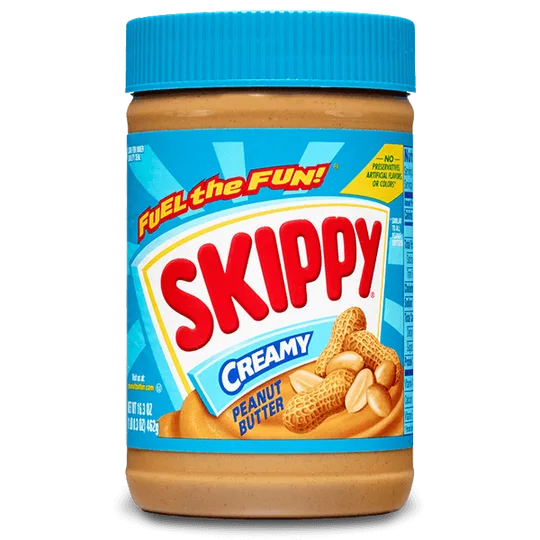
SKIPPY Creamy Peanut Butter fits a familiar cracker-and-spread lunch if peanuts suit your household. It contains peanuts, so choose a suitable alternative where needed and keep a clean utensil with the jar.
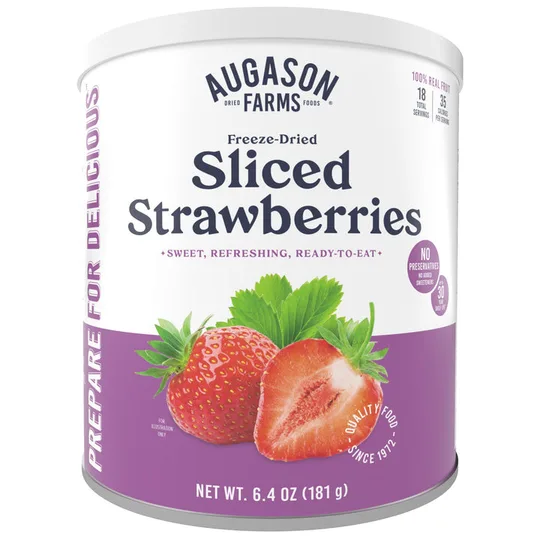
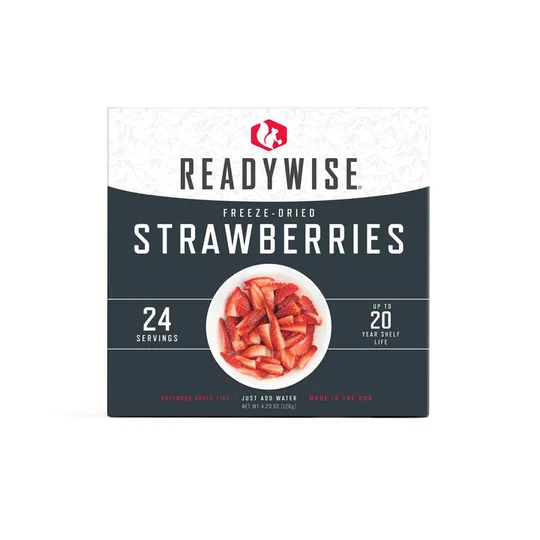
For fruit, compare the Augason Farms strawberry can with the ReadyWise three-pouch strawberry box. A can suits a shared cupboard; separate pouches let you open less of the supply. These are additions to meals, not replacements for them. The ReadyWise box contains 360 calories in total despite its 24 label servings.
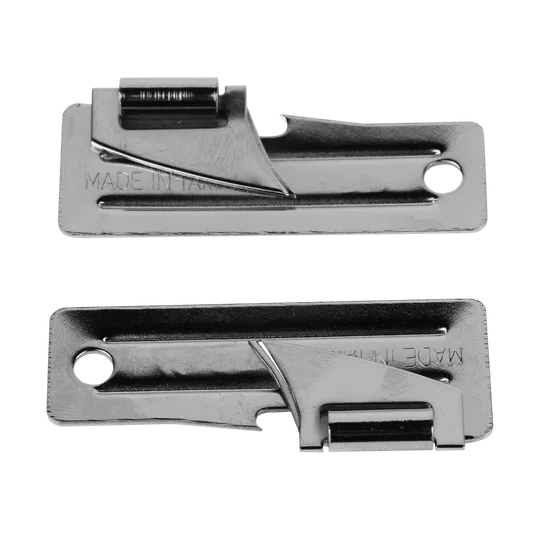
Keep an opener beside canned food. The Coghlan’s compact openers take little space, but a full-size kitchen opener may be easier for your hands. Use the one you can operate comfortably.
Plan for what happens after opening
“Ready to eat” tells you about preparation. It does not tell you that opened food can stay on the counter. Opened tuna, canned beans, milk, and other perishable leftovers need proper refrigeration. If you cannot provide it, choose packages you can finish at that meal.
Refrigerate perishable food promptly. Do not leave it at room temperature for more than two hours, or one hour when the air temperature is above 90°F. Keep refrigerated food at 40°F or below. A cool-feeling room or an insulated bag without an adequate cold source is not a working refrigerator.
Keep this food supply separate from decisions about an outage-affected fridge. Use the cold-food safety guide to check what can be kept. Never taste questionable food to decide whether it is safe.
Buy one pack, then try an ordinary meal
Before buying a case, eat one planned lunch with the utensils and opening tools you intend to keep. Can everyone open the pouch, turn the opener, and comfortably chew the food? Does the portion satisfy them? Do you need a bowl, napkins, or a place for sharp lids?
Read current ingredients and allergen information, including every recipe in an assortment. Keep infant feeding, swallowing difficulties, prescribed diets, and pet food in their own household plan. An adult snack assortment does not cover those needs.
Store food as its label directs, check packaging periodically, and use older supplies in everyday meals before replacing them. Put a simple menu in the box with an opener, utensils, napkins, and bags for waste. Add it to your household emergency checklist so the food is ready to use when you need it.
Common questions
Do I need an emergency food bucket?
No. Suitable shelf-stable groceries can form a no-cook food supply. Choose meals your household will eat, then buy any specialty food that fills a useful gap.
Can every freeze-dried meal be prepared with cold water?
No. Follow the exact package directions. A dry fruit snack and a meal that requires boiling water are different products; do not assume one preparation method fits both.
How much food should I buy for three days?
Count breakfast, lunch, dinner, and snacks for each person, then use the actual package portions and nutrition labels. For two people, three days means six of each meal, with quantities adjusted to their appetites and dietary needs.
Can I save opened cans without a refrigerator?
Perishable leftovers need proper refrigeration. When that is unavailable, open portions you can finish at the meal and follow the package’s handling directions.
Choose food you can use without a stove.
Compare ready-to-eat options, then add the water, utensils, and ordinary groceries your menu needs.
Browse ready-to-eat food